@AikiAitken 合気八剣 is the experiential brand of my journey studying, teaching and following the Japanese martial art of Aikido….. Along with other interesting and cool stuff I’m into
It represents a journey and an expression into the Art.
After more than 30 years of training in Aikido, I continue to be inspired by its grace, depth and timeless principles. It has helped shape my life through self-discipline, balance, resilience, physical fitness and adaptability.
*Note*: Schedule subject to change. Contact Us for more information.
About Sensei Matt Aitken
He currently holds the rank of 6th Dan (degree black belt) in Aikido, certified by the Aikikai Foundation—Aikido World Headquarters in Tokyo, Japan.
His Aikido journey began in the early 1990s in South Australia, following prior experience in other martial arts, including Japanese swordsmanship. Training commenced at the South Australian Aikido Association, within the lineage of the late Seiichi Sugano Shihan and Aiki Kai Australia (AKA).
In 2007, he relocated to Dubai, United Arab Emirates for business. At the time, Aikido in the Gulf region was still emerging. Motivated to continue his practice, he joined forces with fellow regional Aikidoka to co-found the Dubai AikiKai Aikido Association DAAA (UAE AikiKai Aikido). The organisation earned official recognition from the Aikido World Headquarters (AikiKai Hombu Dojo), also becoming a member of the International Aikido Federation (IAF). DAAA is the first and earliest Aikido club to be licensed and registered as a non-profit organisation under the Dubai Government, with additional recognition and support from the Dubai Sports Council.
Based in Dubai—an international hub—he expanded his Aikido community involvement, regularly traveling for seminars and intensive training with senior instructors (Shihan and Sensei) across South & Central Asia, Japan, Europe and the Middle East.
More recently he relocated returning home to South Australia founding Aikido Fleurieu… and the journey continues.
As a teacher, he balances technical proficiency with personal development, fostering a positive inclusive community. He remains actively engaged in shaping the future of Aikido in Dubai and South Australia, travelling regularly.
What is Aikido?
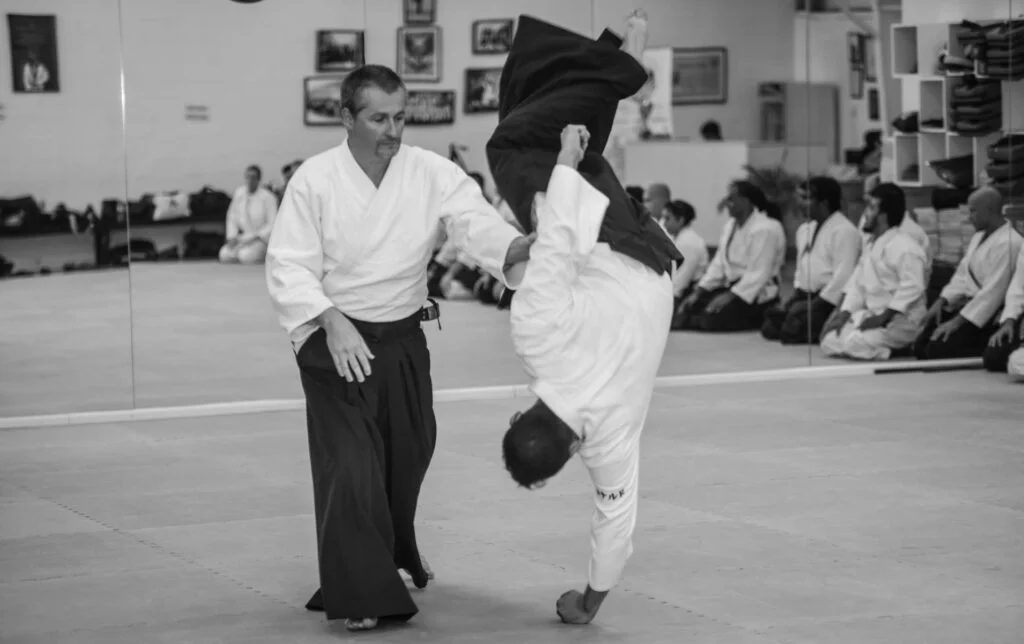
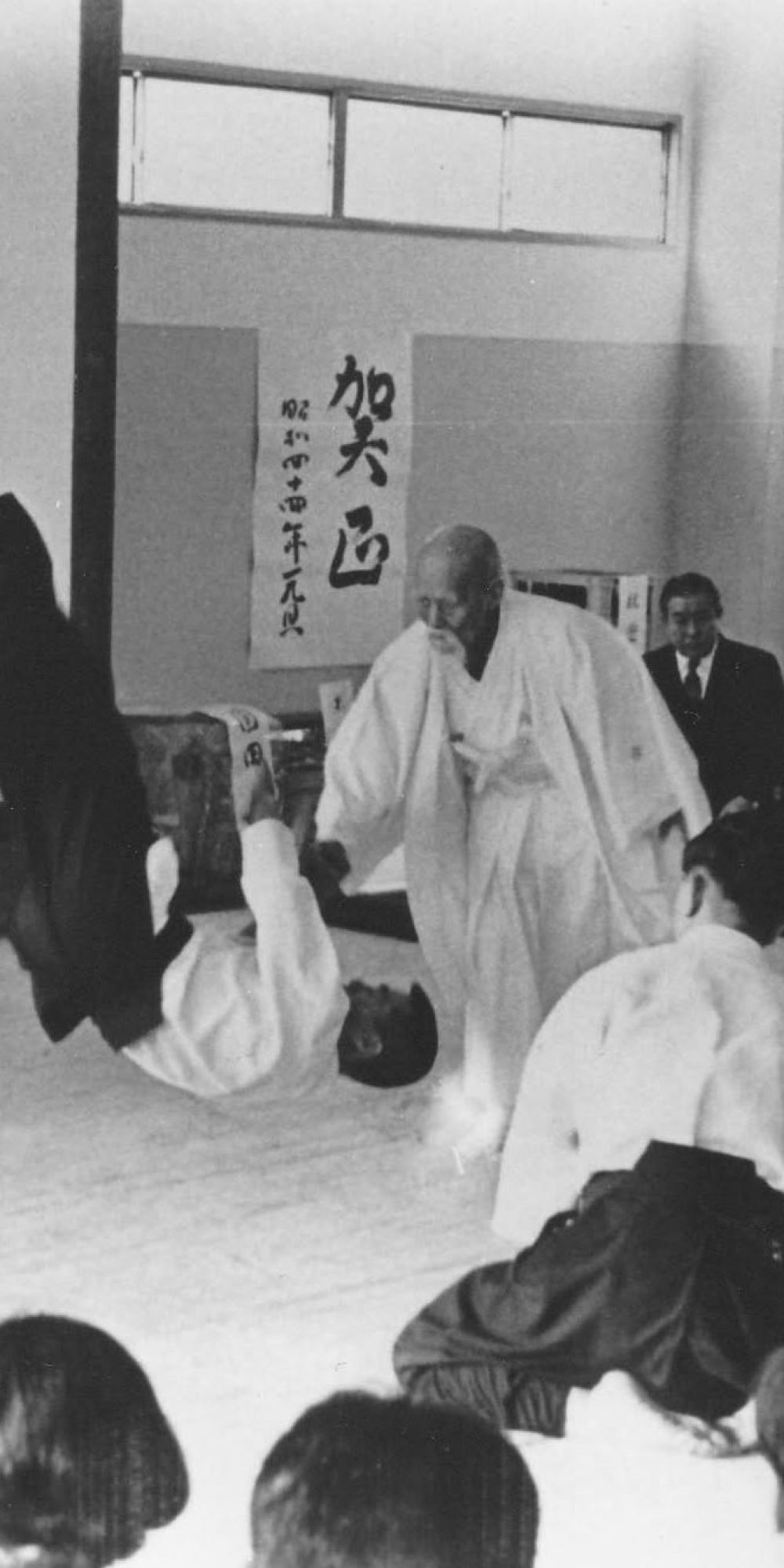
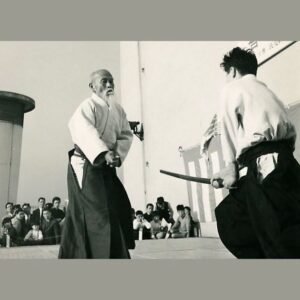
AIKIDO 合気道 is a traditional Japanese martial art, steeped in Samurai tradition. Considered both a cultural treasure and a national heritage of Japan, translated – Aikido means “The Way of Harmony.” It was developed by the late O-Sensei, Morihei Ueshiba (1883-1969), as a synthesis of his lifelong study of martial arts, philosophy and spiritual beliefs. One of his core goals was to create a martial discipline that enabled practitioners to defend themselves while also protecting their attackers from injury. In keeping with Samurai culture, the wooden weapons of sword (bokken), staff (jo) and knife (tanto) also form part of training as an extension to body movement. Aikido training can be intense and austere.
Aikido emphasises circular motion, redirection and precise timing to neutralise force without aggression or brute strength. Whilst the art has self defence components and strikes (atemi waza), practitioners generally learn to blend with incoming energy—guiding it safely to resolution, using throwing and joint manipulation techniques. This approach fosters adaptability, calm under pressure and a deepening sensitivity to movement and intent.
Beyond technique, Aikido serves as a vehicle for personal growth. Regular practice sharpens awareness, cultivates centeredness and encourages a mindset of respect and non-contention. Whether in physical confrontation or daily life, the principles of Aikido offer tools for navigating conflict with clarity and compassion.
The Dojo – The Place of Practice
In Japanese, the word “Dojo” translates to “place of the way”. Traditionally, it refers to a hall or space dedicated to the disciplined practice of martial arts. In the context of Aikido, the dojo is more than just a physical space—it is where the journey of self-improvement, harmony and disciplined training begins.
At the dojo, we focus on the physical and mental practice of Aikido. Training involves: body preparations, partner forms (kata), self-defense techniques, weapon systems, stillness of mind and personal development. The aim is not only to learn techniques but also to cultivate balance, awareness and resilience through consistent and mindful practice.
Whether you are new to Aikido or a seasoned practitioner, our classes provide a supportive and inclusive environment. Students are encouraged to grow at their own pace, deepen their understanding of the art and connect with others on the same path.
Associated organisations follow the official guidelines set by the AikiKai Hombu Dojo – Aikido World Headquarters located in Tokyo, Japan. Black-belts (yudansha) are issued and certified via the AikiKai Hombu.
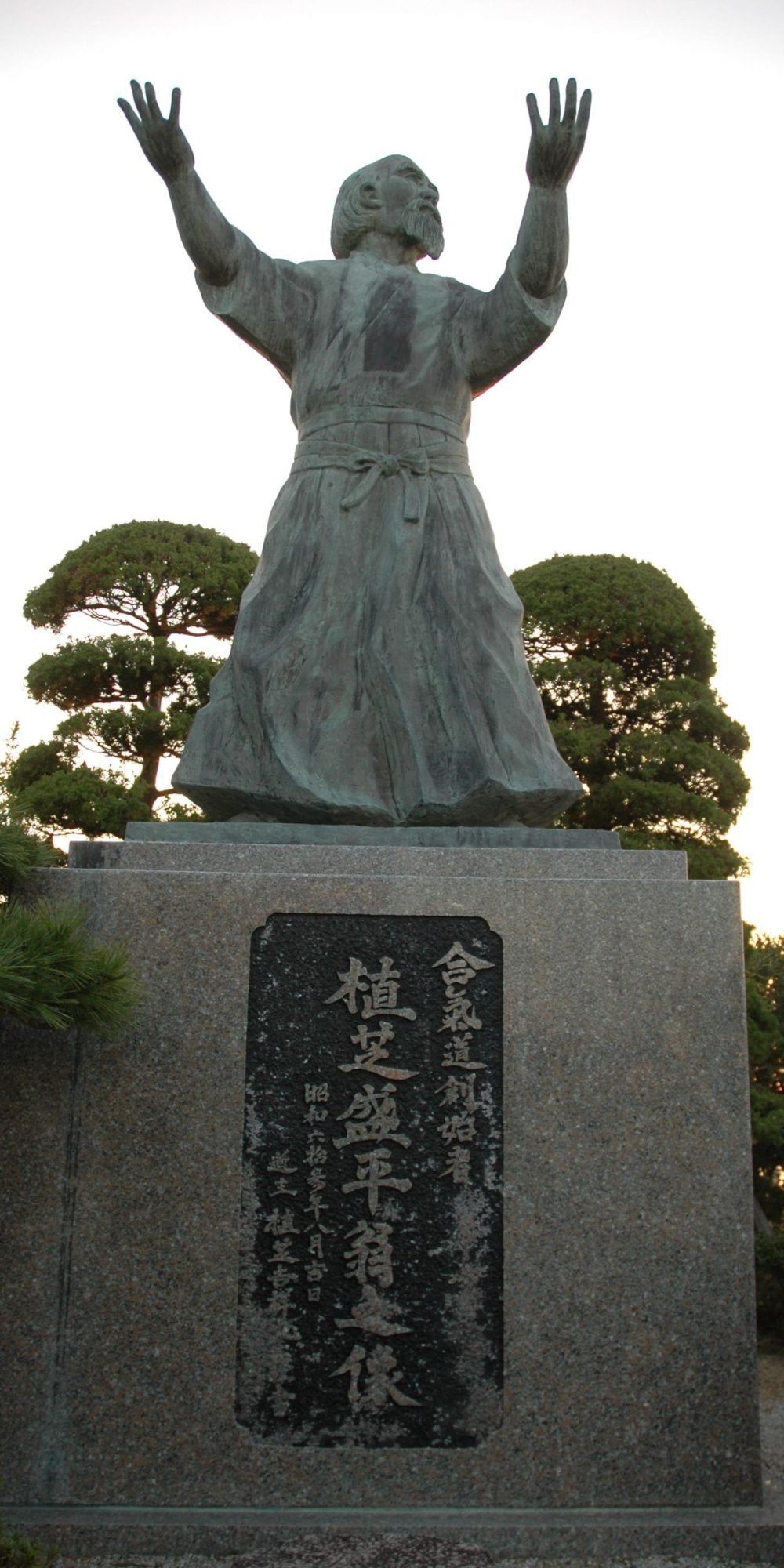
Morihei Ueshiba
December 14, 1883 – April 26, 1969
Founder of Aikido, often referred to as
“O-Sensei” (Great Teacher)
The Life of O'Sensei – The Founder of Aikido
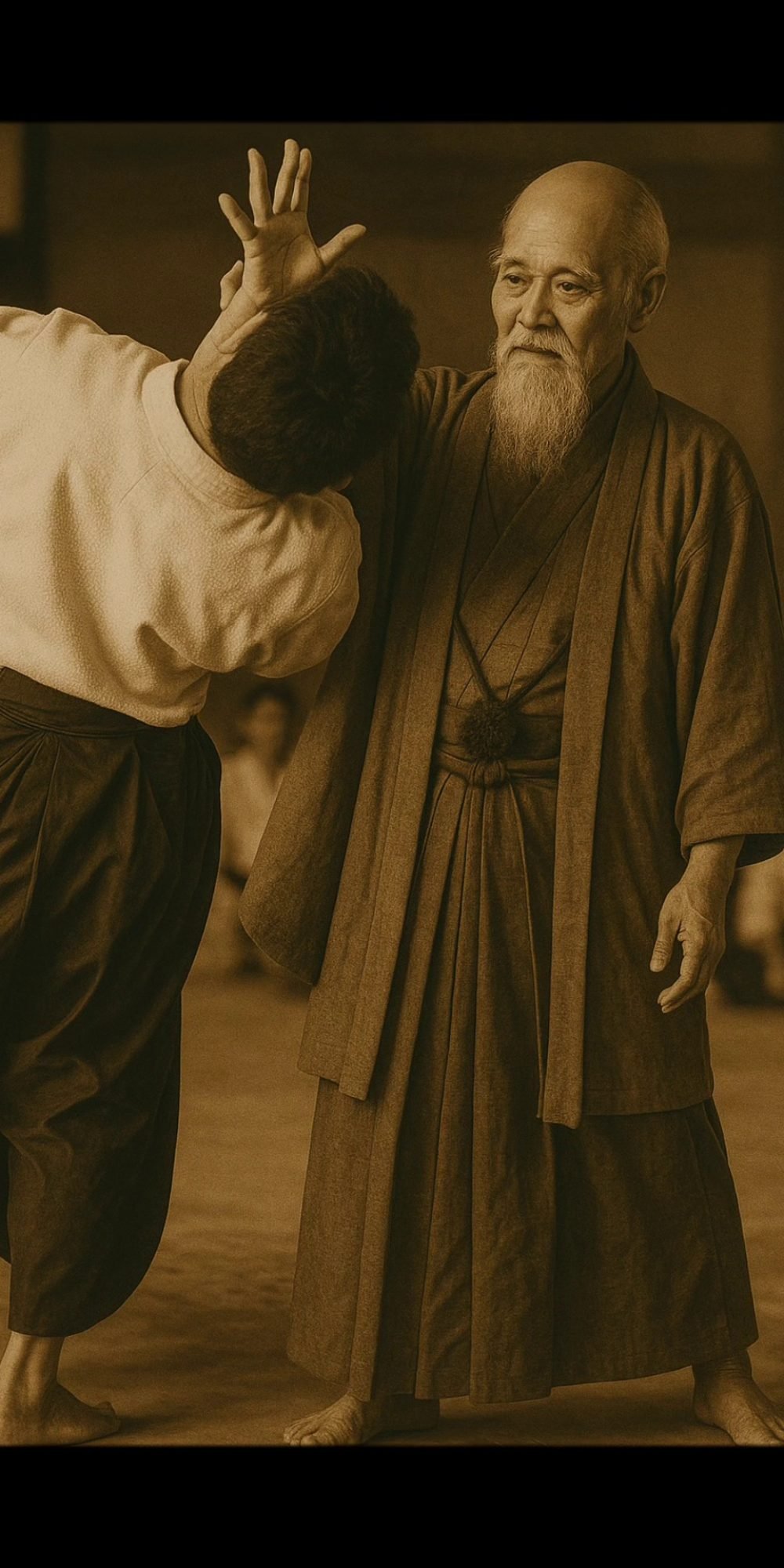
Morihei Ueshiba (植芝 盛平 Ueshiba Morihei, December 14, 1883–April 26, 1969) was a famous martial artist and founder of the Japanese martial art of Aikido. He is often referred to as Kaiso (開祖), meaning “founder”, or Ōsensei, “Great Teacher”.
Morihei Ueshiba was born in Tanabe, Wakayama Prefecture, Japan on December 14, 1883.
The only son of Yoroku and Yuki Ueshiba’s five children, Morihei was raised in a somewhat privileged setting. His father was a wealthy landowner who also traded in lumber and fishing and was politically active. Ueshiba was a rather weak, sickly child and bookish in his inclinations. At a young age his father encouraged him to take up sumo wrestling and swimming and entertained him with stories of his great-grandfather Kichiemon who was considered a very strong samurai in his era. The need for such strength was further emphasized when the young Ueshiba witnessed his father being attacked by followers of a competing politician.
“The Way of the Warrior has been misunderstood. It is not a means to kill and destroy others. Those who seek to compete and better one another are making a terrible mistake. To smash, injure, or destroy is the worst thing a human being can do. The real Way of a Warrior is to prevent such slaughter – it is the Art of Peace, the power of love.”


 |
|